Esthetician: What They Do, Services, Training and How to Become One in the UK
Introduction: What Is an Esthetician
An esthetician is a trained skincare specialist who focuses on improving the health, texture, and appearance of the skin through non-medical cosmetic treatments. In today’s beauty industry, an esthetician plays an essential role in helping clients manage concerns such as acne, dryness, pigmentation, and early signs of ageing. Their expertise combines practical skincare knowledge with personalised treatment plans that support long-term skin wellness and confidence.
An esthetician is not only a beauty professional but also a trusted guide for maintaining healthy skin routines. Many people visit an esthetician regularly to receive professional advice, advanced facial treatments, and customised skincare solutions. With growing awareness of self-care in the UK, the demand for skilled skincare experts continues to rise across salons, spas, and aesthetic clinics.
Esthetician Meaning and Role in the Beauty Industry
The term esthetician refers to a licensed skincare professional trained to deliver cosmetic skin treatments that improve overall skin health and appearance. An esthetician works in a variety of environments including beauty salons, wellness spas, and dermatology clinics. Their main responsibility is to assess skin conditions and provide suitable treatments that enhance natural beauty while ensuring safety and hygiene standards.
In the modern beauty industry, an esthetician has become an important figure due to increasing demand for personalised skincare. They not only perform treatments but also educate clients on proper skincare routines and product use. This advisory role helps individuals maintain results at home while preventing future skin concerns, making the esthetician an essential part of the skincare journey.
Esthetician Services Explained
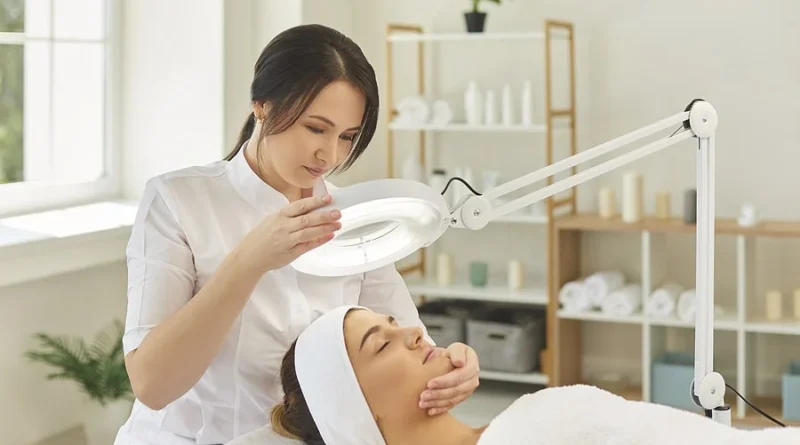
An esthetician offers a wide range of professional skincare services designed to target different skin types and conditions. These services often include deep cleansing facials, exfoliation, hydration therapy, and acne management treatments. Each procedure performed by an esthetician is tailored after a detailed skin analysis to ensure safe and effective results that improve skin texture and overall appearance.
Beyond basic facials, an esthetician may also provide waxing, threading, chemical peels, microdermabrasion, and advanced skin rejuvenation treatments. Some professionals also specialise in lash and brow enhancements or light cosmetic makeup services. These treatments help clients achieve smoother, healthier, and more radiant skin while addressing both cosmetic and corrective skincare needs.
Esthetician Training and Qualifications in the UK
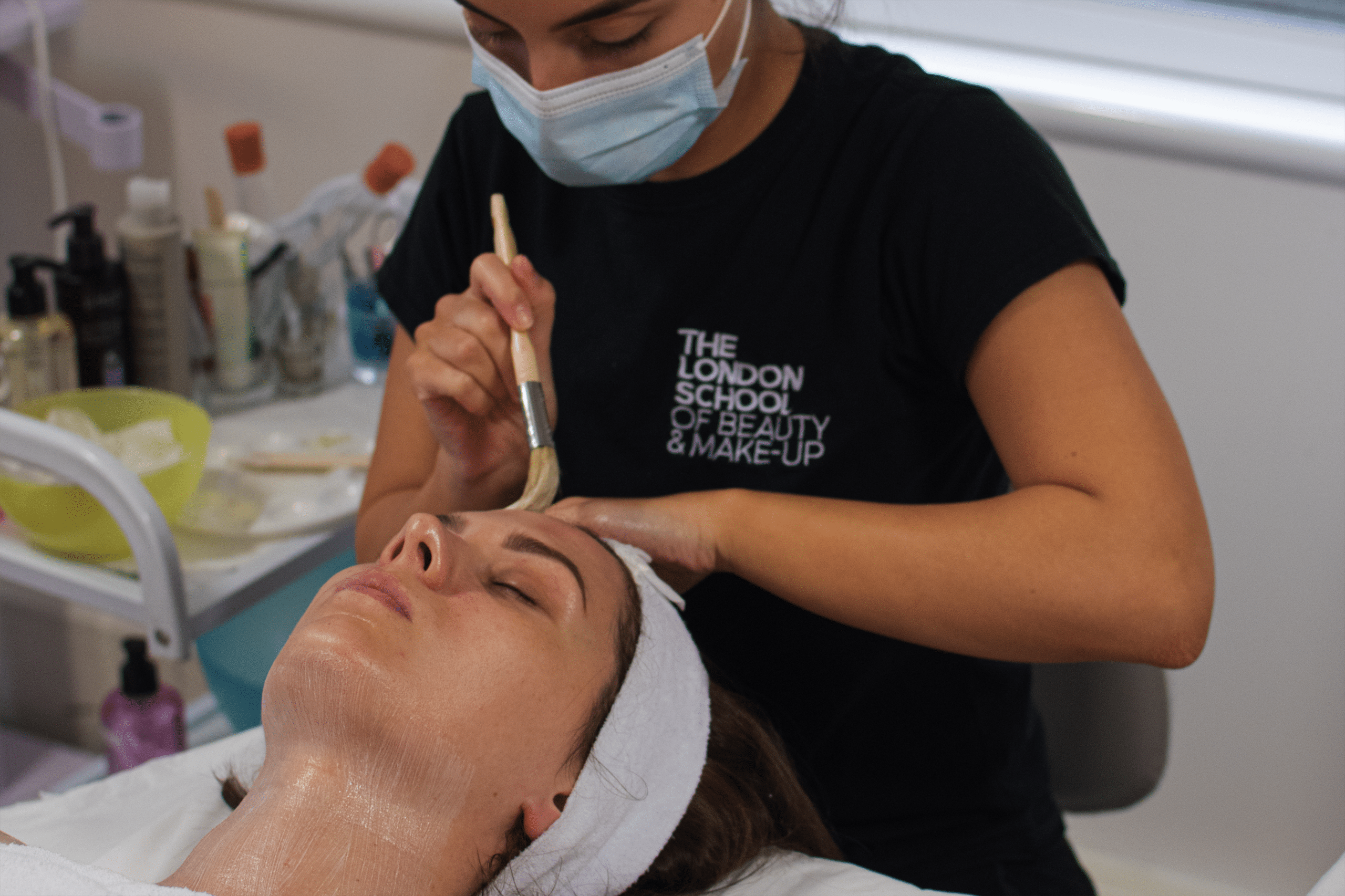
To become an esthetician in the UK, individuals typically need to complete a recognised beauty therapy qualification such as NVQ Level 2 or Level 3. These courses cover essential topics including skincare science, anatomy, hygiene practices, and treatment techniques. A qualified esthetician must also understand health and safety regulations to ensure safe and professional client care.
Practical experience is a key part of training, and many learners gain hands-on skills through apprenticeships or supervised salon placements. This real-world exposure helps develop confidence and technical ability. Accredited training institutions ensure that an esthetician is fully prepared for professional environments, allowing graduates to enter the industry with strong practical and theoretical knowledge.
How to Become an Esthetician in the UK
Becoming an esthetician begins with choosing the right educational pathway, typically starting with a beauty therapy course at a recognised college or training centre. After completing foundational studies, students progress through practical sessions where they learn essential skincare techniques, client consultation skills, and treatment application methods required in real salon environments.
Once qualified, an esthetician can start working in salons, spas, or skincare clinics while continuing to build experience and expertise. Many professionals also choose to specialise further in advanced treatments or even become self-employed. Continuous learning and skill development are important for long-term success in the growing skincare industry.
Esthetician Salary and Career Opportunities in the UK
The career path of an esthetician in the UK offers flexible and rewarding opportunities depending on experience and specialisation. Entry-level professionals may begin with modest earnings, but as an esthetician gains experience and advanced skills, their income can increase significantly, especially in high-end clinics or medical aesthetic environments.
An esthetician can work in a variety of settings including beauty salons, luxury spas, dermatology clinics, and wellness centres. Many also choose freelance or mobile skincare services, offering flexibility and independence. With the increasing popularity of non-invasive beauty treatments, career prospects for an esthetician continue to expand across the UK.
Conclusion
An esthetician plays a vital role in modern skincare by offering professional treatments that improve skin health, appearance, and confidence. Through facials, advanced procedures, and personalised care, an esthetician helps clients achieve long-lasting results while promoting healthier skincare habits and routines in everyday life.
Choosing a career as an esthetician is both rewarding and future-focused, especially as demand for skincare expertise continues to grow in the UK. With the right training, dedication, and experience, an esthetician can build a successful and fulfilling career in the ever-evolving beauty and wellness industry.
You may also read: How to Apply for Primark Careers Online