
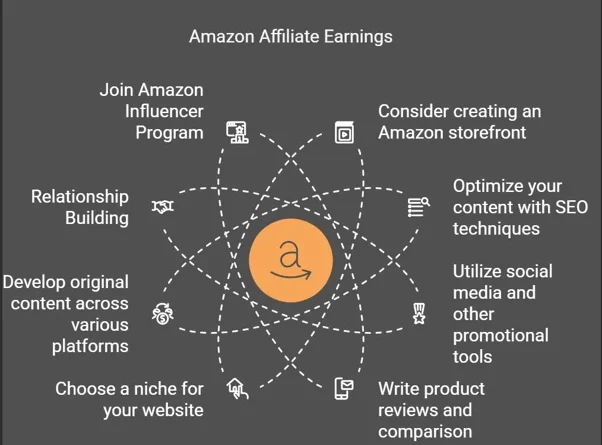
Building an Amazon Affiliate and Influencer Program That Compounds
Most e-commerce brands approach Amazon influencer marketing through isolated bursts of activity, shipping free product for a single video and hoping immediate sales spike. This transactional mindset treats creators as temporary advertising channels rather than permanent partners in brand discovery. When brands shift their focus toward a compounding affiliate ecosystem, creator relationships turn into long-term assets that feed both external traffic and internal conversion metrics.
Building a sustainable program requires deliberate infrastructure, clear content ownership, and a willingness to look past shallow click-through data. Brands must establish structured criteria for selecting partners, secure the legal permissions necessary to repurpose creator assets across multiple placements, and evaluate contribution using multi-touch visibility. By treating affiliate marketing as an integrated brand channel, operators can build sustainable momentum that outlasts standard advertising spikes.
Moving Beyond Transactional Creator Partnerships
One-off gifting campaigns often yield disappointing returns because they fail to align incentives between the brand and the creator. When a partnership begins and ends with a single unboxing video, the creator has no motivation to integrate the product into their ongoing content or optimize their storefront placement. Establishing a compounding affiliate strategy requires shifting from transactional product seeding to tiered retainer models or recurring commission structures that reward sustained audience advocacy over time.
The primary tradeoff in this shift involves higher upfront resource allocation and longer partnership commitments. Brands must invest time in vetting creators for genuine audience alignment rather than raw follower counts, filtering out accounts with inflated engagement metrics. While this rigorous selection process slows down initial launch velocity, it creates a stable foundation of trusted voices who continually direct relevant traffic toward the catalog.
Establishing Clear Content Rights and Asset Licensing
Securing proper usage rights is often the most overlooked component of creator agreements on Amazon. Brands frequently pay for promotional posts without securing the legal permission to repurpose those videos inside Sponsored Brands video ads, storefront carousels, or detail page modules. Negotiating explicit content licensing clauses during initial outreach ensures that a single creator asset can be deployed across multiple retail touchpoints to amplify conversion rates.
Implementing this licensing framework requires transparent communication regarding compensation and duration. Creators may demand higher fees or tiered royalties for broad commercial usage rights, which forces brands to weigh content acquisition costs against internal production expenses. Clear contract terms prevent future disputes over intellectual property while giving marketing teams the visual assets necessary to enrich the shopping experience.
Designing a Structured Creator Selection Protocol
Selecting the right creators demands a rigorous examination of audience demographics, historical content style, and category expertise. Brands should prioritize micro-influencers whose followers exhibit high engagement and genuine purchasing intent within specific niche categories. Analyzing a creator’s existing portfolio helps determine whether their aesthetic and tone naturally complement the brand positioning without appearing overly manufactured or forced.
A common implementation misstep is relying solely on automated outreach software to recruit partners at scale. While software speeds up initial contact, personalized communication demonstrates respect for the creator’s craft and increases response rates from high-value targets. Brands must balance automated discovery tools with human evaluation to build a roster of partners who genuinely understand the product category.
Evaluating Contribution Beyond Last-Click Attribution
Traditional last-click attribution models severely undervalue creator content on Amazon because they fail to account for assisted conversions and halo effects. Shoppers often discover a product through an influencer video on social media, research the item over several days, and eventually purchase through a direct brand search or standard ad click. Relying exclusively on immediate affiliate link conversions ignores the broader influence that creators exert on overall brand discovery and organic rank.
To measure true contribution, brands should analyze combined metrics such as branded search volume lifts, category rank movements during active campaigns, and overall traffic velocity. This holistic evaluation approach allows operators to allocate budgets more accurately across top-of-funnel creator initiatives and bottom-of-funnel advertising channels. Understanding the complete customer journey prevents premature program cancellation and justifies continued investment in long-term creator partnerships.
Integrating Affiliate Flows Into the Core Catalog
An affiliate program cannot operate in isolation from the broader catalog architecture. Creator-driven traffic must land on optimized product detail pages that clearly communicate value propositions and address customer objections immediately. If incoming visitors encounter poorly structured variations, confusing bullet points, or missing images, the traffic generated by creators will bounce without converting, wasting valuable promotional momentum.
Achieving seamless integration requires cross-functional coordination between the team managing creator relationships and the team overseeing catalog merchandising. Inventory levels must align with promotional pushes to avoid stockouts that frustrate creators and squander earned traffic. When catalog readiness matches external creator momentum, brands create a resilient ecosystem where every partner interaction strengthens overall brand equity.
Building an Amazon affiliate and influencer program that compounds over time demands patience, structured infrastructure, and a departure from short-term thinking. By focusing on genuine creator alignment, securing robust content rights, and measuring contribution across the entire customer journey, brands can transform influencer marketing from an unpredictable expense into a reliable growth engine. These foundational elements ensure that every creator partnership contributes to long-term catalog authority and sustained market share.
For teams that need a connected operating rhythm across advertising, catalog, creative, and account management, partnering with a full service Amazon agency can provide the cross-functional coordination required to execute complex creator strategies. Sustained success on the platform relies on aligning external traffic generation with internal retail readiness, ensuring that long-term brand investments translate into lasting operational growth.