
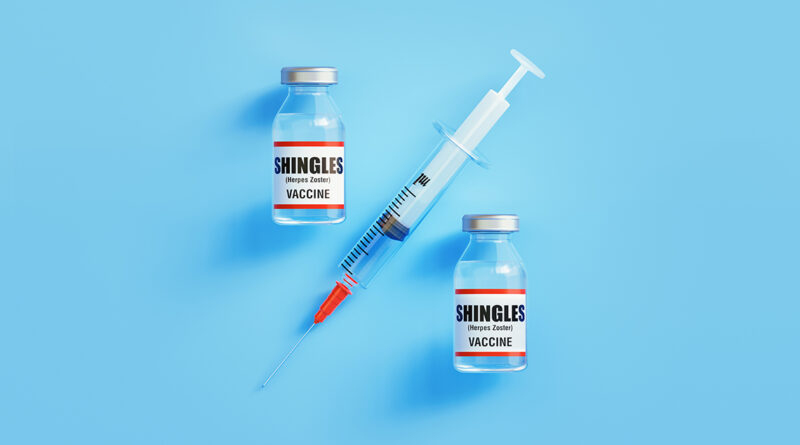
Shingles Vaccine: Who Can Get It in the UK, Side Effects & How Often You Need It
Shingles is a viral infection that develops from the same virus responsible for chickenpox, lying dormant in the body for years before reactivating. It often affects older adults or those with weakened immune systems, causing a painful rash and, in some cases, long-term nerve pain. As awareness grows, more people are seeking reliable ways to protect themselves from this uncomfortable and sometimes serious condition.
The shingles vaccine has become a key part of preventive healthcare in the UK, offering strong protection against both the infection and its complications. With increasing eligibility and improved effectiveness, understanding the role of the shingles vaccine can help individuals make informed decisions about their health and reduce the risk of developing shingles later in life.
What Is Shingles?
Shingles, medically known as herpes zoster, occurs when the varicella-zoster virus becomes active again after remaining inactive in nerve tissues. This reactivation can happen many years after a person has had chickenpox, often triggered by ageing or a weakened immune system. The condition is not uncommon and affects a significant portion of the population, particularly those over the age of 50.
Many people wonder how do you get shingles and whether shingles contagious concerns are valid. While shingles itself cannot be passed from person to person, the virus can spread to someone who has never had chickenpox, potentially causing that illness instead. This makes prevention through the shingles vaccine especially important, particularly for those in vulnerable groups.
Shingles Symptoms and Early Warning Signs
The early shingles symptoms can be subtle, often beginning with tingling, burning, or itching sensations on one side of the body. These initial signs may be accompanied by fatigue, mild fever, or sensitivity in the affected area. Recognising these early warnings is essential, as prompt medical attention can significantly reduce the severity of the condition.
As the infection progresses, symptoms of shingles typically include a painful rash that develops into clusters of fluid-filled blisters. These blisters can be extremely uncomfortable and may take several weeks to heal. In some cases, the pain persists even after the rash has cleared, highlighting the importance of early treatment and the protective benefits of the shingles vaccine.
What Does Shingles Look Like?
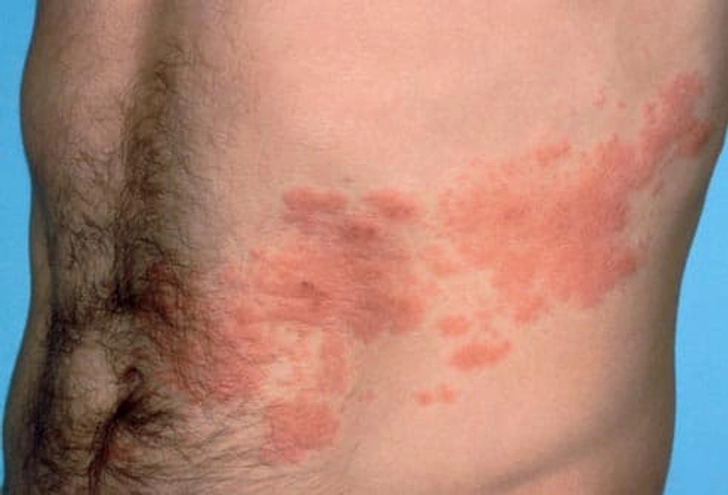
The shingles rash is one of the most recognisable features of the condition, usually appearing as a band or strip on one side of the body. It often starts with redness before developing into small blisters that are filled with fluid. Over time, these blisters burst, dry out, and form scabs, marking the healing process.
Many individuals search for pictures of shingles to better understand its appearance, especially in the early stages. However, shingles can sometimes be mistaken for other skin conditions, making professional diagnosis important. Early identification not only ensures proper treatment but also helps prevent complications, reinforcing the value of vaccination.
Shingles Vaccine in the UK: Who Can Get It?
In the UK, the shingles vaccine is offered primarily to adults aged between 70 and 79 as part of the national immunisation programme. This age group is considered at higher risk of developing shingles and experiencing complications. Additionally, certain individuals with weakened immune systems may also be eligible for the vaccine, depending on their medical condition.
Access to the shingles vaccine is usually through GP surgeries, where healthcare professionals can provide guidance on eligibility and timing. The programme aims to reduce the incidence of shingles and its complications across the population. By taking advantage of this opportunity, eligible individuals can significantly lower their risk and protect their long-term health.
How the Shingles Vaccine Works
The shingles vaccine works by strengthening the immune system’s ability to fight the varicella-zoster virus. By boosting immunity, it reduces the likelihood of the virus reactivating and causing shingles. Modern vaccines, such as Shingrix, have demonstrated high effectiveness, offering long-lasting protection against both the infection and its complications.
Typically, the shingles vaccine is administered in two doses, spaced several months apart to ensure optimal protection. This schedule allows the immune system to build a strong and lasting defence. Understanding how the vaccine works can reassure individuals about its benefits and encourage them to take proactive steps towards prevention.
Shingles Vaccine Side Effects
Like most vaccines, the shingles vaccine can cause mild side effects, which are generally short-lived and manageable. Common reactions include soreness at the injection site, fatigue, headache, and a mild fever. These symptoms usually resolve within a few days and are a normal sign that the body is building immunity.
Serious side effects are rare, but it is always advisable to consult a healthcare professional if unusual symptoms occur. Overall, the shingles vaccine is considered safe and highly effective, with the benefits far outweighing any temporary discomfort. This makes it a valuable tool in preventing a potentially painful condition.
Shingles Treatment Options
Shingles treatment focuses on reducing the severity of symptoms and speeding up recovery. Antiviral medications are commonly prescribed and are most effective when taken early in the course of the illness. These medications help limit the spread of the virus and reduce the duration of the infection.
In addition to antiviral drugs, pain management is an important aspect of treatment. This may include over-the-counter pain relievers, prescription medications, or soothing creams. Proper care and timely treatment can make a significant difference in recovery, although prevention through the shingles vaccine remains the most effective approach.
How Long Does Shingles Last?
The duration of shingles can vary, but most cases resolve within two to four weeks. The rash typically goes through several stages, starting with redness, progressing to blistering, and finally forming scabs as it heals. During this time, individuals may experience varying levels of discomfort and pain.
In some cases, pain can persist even after the rash has healed, a condition known as postherpetic neuralgia. This complication can last for months or even years, significantly affecting quality of life. This highlights why the shingles vaccine is strongly recommended as a preventive measure, particularly for those at higher risk.
Preventing Shingles: Why Vaccination Matters
Preventing shingles is far more effective than treating it after it develops. The shingles vaccine significantly reduces the risk of infection and can also lessen the severity of symptoms if shingles does occur. This makes it an essential part of maintaining health, especially for older adults.
Vaccination not only protects individuals but also contributes to overall public health by reducing the burden on healthcare services. By choosing to receive the shingles vaccine, people can take control of their health and minimise the risk of experiencing this painful condition.
Conclusion
Shingles is a condition that can have a lasting impact on both physical comfort and overall wellbeing. Understanding its causes, symptoms, and treatment options allows individuals to respond quickly and effectively if it occurs. However, prevention remains the most reliable strategy for avoiding complications.
The shingles vaccine offers a safe and effective way to protect against this condition, making it an important consideration for those eligible in the UK. By staying informed and consulting healthcare professionals, individuals can make confident decisions that support their long-term health and quality of life.
You may also read: How to use bmi calculator uk effectively