
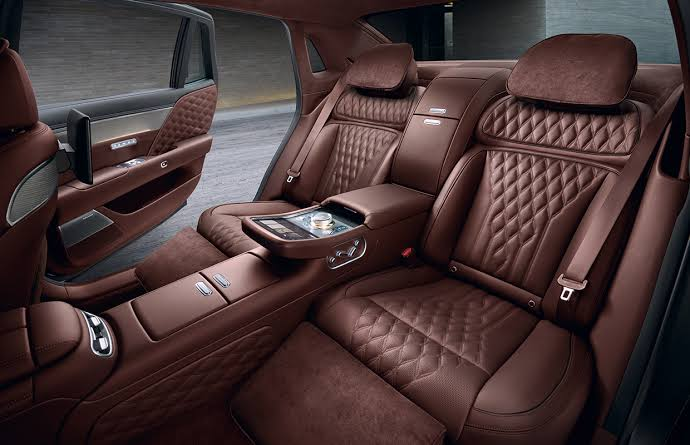
Minimalist Car Interiors: How Modern Accessories Complement Sleek Dashboards
Automotive interior design has undergone a quiet revolution over the past decade. The cluttered, button-heavy dashboards of the early 2000s have given way to clean, architectural spaces defined by sweeping horizontal lines, hidden air louvers, digital glass displays, and premium tactile materials like open-pore wood, brushed aluminum, and fine leather.
Vehicle cabins are no longer designed merely as functional control centers; they are crafted as minimalist sanctuaries. Modern car owners take immense pride in maintaining these uncluttered spaces, seeking accessories that respect and elevate the factory aesthetic.
However, one common accessory continues to disrupt dashboard harmony: the traditional car air freshener. Brightly colored paper trees hanging from rearview mirrors, bulky plastic liquid bottles clamped awkwardly to air grilles, and neon-lit gadgets clash aggressively with refined interiors.
To preserve the aesthetic integrity of modern dashboards, interior accessories must follow the principles of minimalist design—where form, function, and subtlety exist in complete balance.
1. The Decline of Cluttered Dashboard Ornaments
For decades, aftermarket car accessories were treated as bold visual statements. Drivers adorned their cabins with hanging trinkets, suction-cup mounts, and prominent air fresheners. Today, design philosophy favors cohesion over clutter.
Interior designers at leading automotive brands spend years curating cabin atmosphere. Visual clutter creates subtle cognitive fatigue, distracting from the sense of calm and luxury that modern interior architecture is meant to provide.
- Obstruction-Free Sightlines: Rearview mirrors are designed to offer an unobstructed view of the road ahead. Hanging novelty items create visual distractions and detract from the clean geometry of the windscreen frame.
- Integrated Aesthetics: Modern drivers prefer accessories that appear factory-fitted rather than added as an afterthought. An accessory should feel like an organic extension of the dashboard architecture.
2. Materials Matter: Matching Premium Trim Finishes
Minimalist design relies heavily on material authenticity. A sleek dashboard crafted with soft-touch leatherette, real carbon fiber, or metallic accents is easily cheapened by low-grade, glossy plastic add-ons.
When selecting cabin accessories, material choice dictates whether an item elevates or degrades the interior environment:
- Anodized Aluminum and Alloy Finishes: Metallic enclosures featuring matte, satin, or gunmetal finishes mirror the brushed trim accents found around air vents and center consoles in modern vehicles.
- Tactile Texture and Weight: Premium accessories possess a solid, weighted feel that reflects precision engineering. Metallic housings resist sun degradation, cracking, and fading far better than cheap plastic alternatives.
- Subtle Color Palettes: Muted tones—such as deep space grey, matte black, or brushed silver—blend seamlessly into dark or neutral dashboard trims without drawing unwanted visual attention.
3. Function Meets Aesthetics: The Hidden Power of Compact Vent Clips
The true test of minimalist design is utility. An accessory must perform its core function flawlessly without demanding visual prominence.
In the realm of cabin fragrance, compact vent clip diffusers embody this design principle. Rather than hanging in full view or taking up valuable cupholder space, a properly proportioned vent clip attaches discreetly directly to the air louver blades.
- Low-Profile Integration: Sitting flush against the climate control vents, a minimalist clip allows air to flow naturally across its surface while remaining almost invisible from the driver’s perspective.
- Unobstructed Adjustability: Premium clips utilize soft, silicone-coated mounting prongs that grip louver blades firmly without scratching delicate vent plastics or interfering with air direction controls.
When elevating your vehicle’s interior atmosphere, choosing a sleek luxury car vent clip design ensures that your fragrance hardware harmonizes with your dashboard’s clean lines—delivering sophisticated scent diffusion without sacrificing minimalist aesthetics.
4. Curating an Uncluttered, Multi-Sensory Environment
Achieving true interior minimalism requires a multi-sensory approach. Visual cleanliness is only the first step; olfactory and tactile elements must align with the overall atmosphere.
- Conceal Cables and Hardware: Use hidden routing channels or wireless charging pads to keep smartphone cables out of sight around the gear selector and center console.
- Maintain Surface Integrity: Clean touchscreen displays regularly with microfiber cloths to eliminate fingerprints and dust buildup that disrupt sleek glass panels.
- Introduce Understated Scent: Choose refined, hotel-inspired scent profiles (such as white tea, light citrus, or subtle woody notes) that gently enhance the space rather than overwhelming the cabin with heavy artificial perfumes.
Final Verdict
Modern automotive interiors are triumphs of minimalist architecture and refined material design. Preserving that sophisticated atmosphere requires thoughtful choices when selecting aftermarket accessories. By choosing discreet metallic hardware, matching factory trim finishes, and embracing subtle scent integration, you can maintain a clean, elegant dashboard that looks and feels like a luxury sanctuary on every drive.