How to Get Something Out of Your Eye Safely: Step-by-Step First Aid Guide (UK Advice & Home Remedies)
Eye irritation is one of the most common everyday discomforts, often caused by dust, sand, eyelashes, or tiny airborne particles entering the eye. Knowing how to get something out of your eye is important because even small foreign bodies can cause redness, watering, and sharp pain if not handled correctly. Quick, calm action helps prevent complications and supports natural eye cleansing through tears and blinking.
When learning how to get something out of your eye, it is essential to understand that the eye is highly sensitive and easily damaged by rubbing or unsafe attempts at removal. Many people instinctively touch or rub the affected area, but this can worsen irritation or even scratch the cornea. A careful, methodical approach ensures safety while allowing the eye’s natural defence system to work effectively.
First Response: Immediate Steps to Take When Something Enters Your Eye
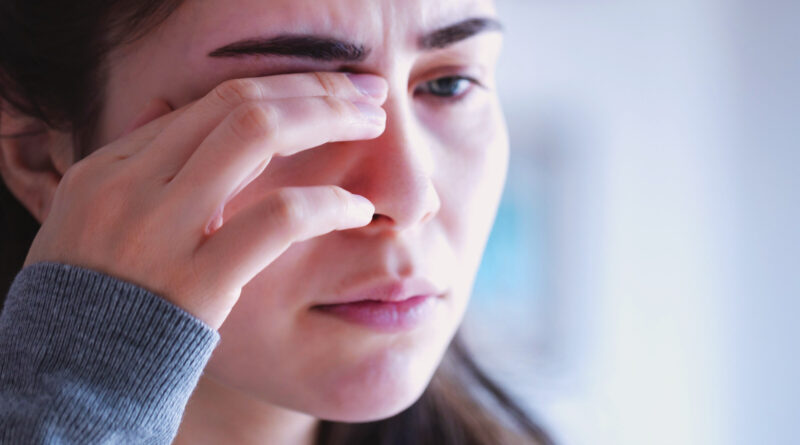
The first response is crucial when figuring out how to get something out of your eye safely. Begin by washing your hands thoroughly to avoid introducing bacteria or dirt. Then, resist the urge to rub the eye, even if the sensation feels uncomfortable or itchy. Rubbing can push the particle deeper and increase the risk of injury or infection.
Next, try blinking rapidly for a few seconds to stimulate tears, which may naturally flush out the irritant. In many cases, people searching how to get something out of your eye find that this simple action is enough to dislodge small particles. If discomfort continues, move to a mirror and gently check whether the object is visible on the surface of the eye.
Safe Flushing Techniques for Removing Eye Debris
One of the most effective methods for how to get something out of your eye is gentle flushing using clean water or sterile saline solution. Tilt your head so the affected eye is lower, allowing fluid to flow outward. Carefully pour water from the inner corner to the outer corner, ensuring the debris is washed away without applying pressure or force.
When considering how to get something out of your eye, saline solution is often preferred because it closely matches natural tears and reduces irritation. If saline is unavailable, clean lukewarm water can be used safely in most situations. This method is widely recommended in first aid guidance because it supports natural cleansing while minimising the risk of further injury or contamination.
Eyelid Movement Techniques to Help Dislodge Particles

Another helpful approach for how to get something out of your eye involves using natural eyelid movement. Gently pulling the upper eyelid over the lower eyelid can sometimes help sweep trapped particles away from the sensitive surface of the eye. This technique works well for small irritants such as dust or fine eyelashes.
People often overlook this method when learning how to get something out of your eye, yet it is one of the simplest and safest options. By encouraging natural movement of the eyelids, the eye may release the object without direct contact. It is important to remain gentle and stop immediately if any pain or sharp discomfort occurs during the process.
What You Must Avoid When Trying to Remove Something From Your Eye
Understanding what not to do is just as important as knowing how to get something out of your eye. One of the most dangerous mistakes is rubbing the eye, which can scratch the cornea and worsen irritation. Even if the sensation feels intense, rubbing increases the likelihood of damage and should always be avoided.
Another critical warning when learning how to get something out of your eye is to avoid using sharp objects, tweezers, cotton buds, or any unsterile materials. These tools can cause serious injury or introduce infection. It is also important not to ignore persistent symptoms, especially if pain, redness, or blurred vision continues after initial attempts.
When Professional Help Is Required in the UK
Sometimes home remedies are not enough, and professional care becomes necessary. If you are unsure how to get something out of your eye after several safe attempts, or if the object appears embedded, you should seek help from an optician or healthcare professional. In the UK, opticians are often trained to remove minor foreign bodies safely.
Knowing how to get something out of your eye also means recognising warning signs that require urgent attention. These include severe pain, sensitivity to light, chemical exposure, or changes in vision. In such cases, visiting an urgent care centre or accident and emergency department ensures the eye is examined properly and treated without delay.
Special Situations and Persistent Eye Discomfort
Some situations make how to get something out of your eye more complex, such as when particles are trapped under the eyelid or when contact lenses are involved. In these cases, additional care is needed because the object may not be easily visible. Gentle flushing and repeated blinking may still help, but patience is essential.
If discomfort persists despite attempts at how to get something out of your eye, it may indicate a corneal scratch or embedded foreign body. This requires professional evaluation. Continuing irritation should never be ignored, as untreated eye injuries can lead to complications or prolonged healing time.
Prevention: Protecting Your Eyes from Future Irritation
Preventing eye irritation reduces the need to repeatedly learn how to get something out of your eye. Wearing protective eyewear during activities such as DIY work, gardening, or sports is one of the most effective preventive measures. This simple habit significantly lowers the risk of dust or debris entering the eye.
Good hygiene and awareness also play a major role in prevention. Avoid touching your eyes with unclean hands and be cautious in windy or dusty environments. Understanding how to get something out of your eye is useful, but preventing the issue in the first place ensures long-term eye comfort and reduces unnecessary irritation.
Conclusion: Safe Habits for Healthy Eyes
Knowing how to get something out of your eye safely is an essential life skill that helps protect vision and prevent injury. Most minor cases can be resolved through blinking, gentle flushing, or natural eyelid movement. Acting calmly and avoiding harmful actions like rubbing or using unsafe tools is key to proper first aid.
However, understanding how to get something out of your eye also includes knowing when to seek professional help. If symptoms persist or the object cannot be removed safely, medical attention is the best option. With the right knowledge and careful habits, you can maintain healthy eyes and reduce the risk of future discomfort.
FAQs
What is the safest way to remove something from your eye at home?
The safest method involves blinking, flushing with clean water or saline, and avoiding any rubbing or pressure on the eye.
Can something stuck in the eye come out naturally?
Yes, small particles often come out naturally through tears and blinking without any intervention.
Should I use tap water to rinse my eye?
Clean tap water can be used in emergencies, but sterile saline solution is always preferred for safety.
When should I see a doctor for something in my eye?
You should seek medical help if pain, redness, or blurred vision continues after trying safe removal methods.
Is rubbing the eye dangerous when something is stuck inside?
Yes, rubbing can cause scratches on the cornea and worsen irritation or lead to infection.
You may also read: Dog Panting at Night: Why It Happens