Why Is My Dog Panting So Much? Causes, Symptoms & When to Worry About Heavy Panting in Dogs
Understanding why is my dog panting so much is essential for every dog owner, especially when breathing suddenly becomes faster, louder, or more frequent. Panting is a normal cooling mechanism, but it can also indicate stress, pain, or illness. Many owners become concerned when they notice changes in breathing patterns, particularly if panting happens without exercise or heat exposure.
In most situations, panting is harmless and linked to excitement, play, or warm weather. However, persistent or heavy panting may suggest an underlying issue that requires attention. Recognising early warning signs helps you protect your dog’s health and ensures that any serious condition is identified and treated before it becomes more dangerous.
What Is Normal Dog Panting?
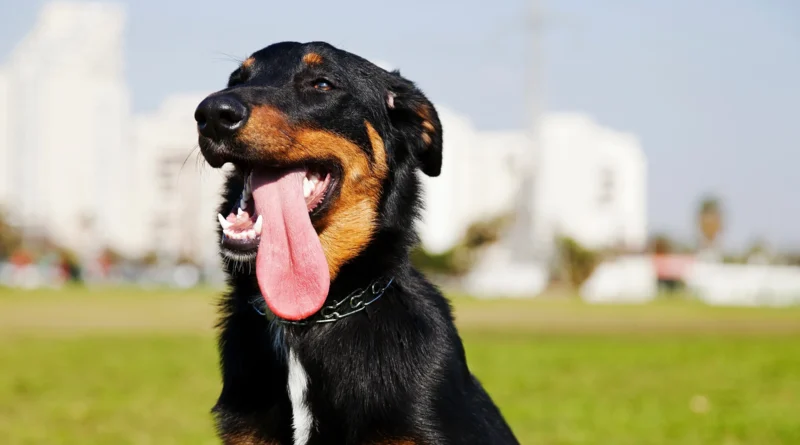
Normal dog panting is a natural biological process used to regulate body temperature because dogs do not sweat like humans. Instead, they release heat by breathing rapidly through their mouths. This is commonly seen after exercise, during hot weather, or when a dog is excited or stimulated by activity, attention, or new surroundings.
Light panting usually stops once the dog has rested and cooled down. However, when owners repeatedly ask why is my dog panting so much, it often means the pattern has changed from normal to excessive. Monitoring duration, intensity, and triggers is important because abnormal panting often signals that something in the dog’s environment or health needs attention.
Common Reasons Why Is My Dog Panting So Much
There are several possible explanations for why is my dog panting so much, ranging from harmless triggers to serious medical conditions. Heat exposure is one of the most common causes, especially in warm or humid environments. Dogs may also pant due to excitement, fear, anxiety, or stressful situations such as travel, loud noises, or separation from their owner.
In more serious cases, excessive panting may be linked to pain, heart disease, respiratory illness, or hormonal conditions such as Cushing’s disease. Some medications, especially steroids, can also increase breathing rate. Identifying whether panting is situational or constant is crucial for understanding whether it is behavioural or medical in origin.
Dog Panting at Night: Why It Happens
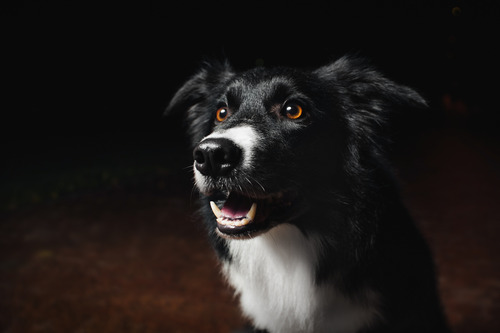
Dog panting at night can be worrying for owners, especially when it happens during rest or sleep. In many cases, it is caused by discomfort, poor ventilation, anxiety, or changes in room temperature. Older dogs may also struggle with age-related conditions that cause restlessness and increased breathing during the night.
If you are asking why is my dog panting so much at night, it is important to observe other signs such as pacing, whining, or difficulty settling down. Night-time panting may also indicate pain that becomes more noticeable when the dog is lying still. Persistent symptoms should always be evaluated by a vet to rule out serious underlying issues.
Dog Panting and Shaking: What It Means
When dog panting and shaking occur together, it is often a sign that something more serious is happening. This combination may indicate pain, extreme anxiety, fever, or even toxin exposure. Dogs experiencing distress may shake uncontrollably while also breathing rapidly in an attempt to cope with discomfort or fear.
If you notice dog panting and shaking suddenly, it is important to act quickly and avoid delaying veterinary attention. These symptoms can escalate rapidly depending on the underlying cause. Early intervention is essential, especially if the dog appears disoriented, weak, or unable to settle despite reassurance or a calm environment.
Dog Panting While Resting or for No Reason
It can be alarming when a dog begins panting while resting or appears to have dog panting for no reason. Unlike normal post-exercise panting, this behaviour often suggests an internal issue such as pain, stress, or illness. Dogs may also pant while resting if they are overheated or experiencing breathing difficulties.
When owners repeatedly wonder why is my dog panting while resting, it is important to consider chronic conditions such as heart disease or respiratory problems. These issues often cause subtle but persistent changes in breathing patterns. Monitoring your dog’s behaviour closely can help detect early signs of disease before symptoms become severe.
Excessive or Heavy Panting in Dogs
Heavy panting or dog panting heavily is a stronger indicator that something may be wrong. This type of panting is usually more intense, louder, and longer-lasting than normal breathing after activity. It may occur due to overheating, obesity, stress, or underlying medical conditions that affect breathing or circulation.
Dog panting excessively can also be accompanied by restlessness, drooling, or difficulty lying down comfortably. When combined with dog panting and restless behaviour, it may suggest that the dog is in discomfort or distress. In such cases, monitoring environmental factors and seeking veterinary advice is highly recommended.
Older Dogs and Excessive Panting
Older dogs are more vulnerable to health issues that cause increased panting. Old dog panting a lot is often linked to conditions such as arthritis, heart disease, or cognitive decline. These conditions can cause discomfort even when the dog is resting calmly at home, especially during the night or after minimal activity.
If you are concerned about why is my 13 year old dog panting so much, it is important to consider age-related changes. Senior dogs may also show increased thirst, reduced mobility, or confusion. Regular veterinary check-ups become essential at this stage of life to ensure early diagnosis and proper management of chronic conditions.
Dog Panting and Drinking Lots of Water
When panting is combined with excessive thirst, it may indicate a more serious health issue. Dog panting at night and drinking lots of water can be linked to conditions such as diabetes, kidney disease, or hormonal imbalances. These symptoms should not be ignored, especially if they persist or worsen over time.
Owners often begin to ask why is my dog panting for no reason when they notice both increased drinking and abnormal breathing. This combination suggests that the body may be struggling to regulate internal functions. A veterinary examination is essential to identify the root cause and begin appropriate treatment.
Female Dogs Panting for No Reason
Hormonal changes can sometimes explain why is my female dog panting for no reason, particularly during heat cycles, pregnancy, or post-pregnancy recovery. These natural changes can temporarily affect breathing patterns, behaviour, and energy levels, leading to increased restlessness or mild panting.
However, persistent or unexplained panting in female dogs should still be taken seriously. Even if hormonal factors are involved, other medical conditions may also be present. Careful observation helps distinguish between normal reproductive changes and potential health concerns that require veterinary attention.
Dog Panting and Restless Behaviour
Dog panting and restless movement often indicate that a dog is uncomfortable, anxious, or in pain. You may notice pacing, difficulty lying still, whining, or frequent position changes. This behaviour suggests that the dog is trying to find relief from internal or external discomfort.
When combined with panting, restlessness may signal overheating, anxiety, or underlying illness. Understanding these behavioural changes is important because they often appear before more serious symptoms develop. Early recognition allows for quicker intervention and better outcomes for the dog’s overall health.
Conclusion
Understanding why is my dog panting so much helps owners distinguish between normal behaviour and potential health concerns. While panting is a natural function, persistent, heavy, or unusual patterns may indicate stress, pain, or illness. Observing your dog’s behaviour carefully and responding early can make a significant difference in maintaining long-term health and comfort.
You may also read: Is bigbadtoystore Legit and Safe for Buyers