Padel Court: Dimensions, Design, Costs & Installation Guide UK
A padel court has become one of the fastest-growing sports facilities across the UK, combining elements of tennis and squash into an exciting, social, and competitive game. Its compact, enclosed design allows for unique wall rebounds, making rallies longer and gameplay more strategic. Players of all ages enjoy padel for its accessibility, fast-paced nature, and the opportunity to improve agility and coordination on a smaller, manageable court.
The rise of padel tennis in the UK has led to the installation of courts in private homes, sports clubs, and community centres. A properly designed padel court is not only functional but also visually appealing, enhancing the overall playing experience. Understanding the key dimensions, construction methods, and costs involved can help enthusiasts and clubs plan effectively and enjoy the sport to its fullest.
What is a Padel Court?
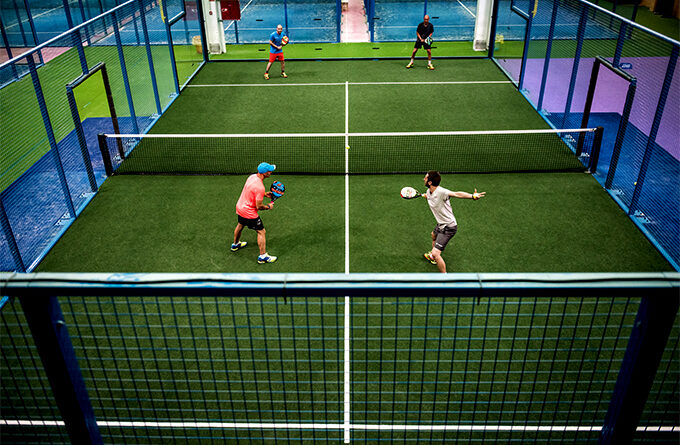
A padel court is a rectangular, enclosed playing area measuring 20 metres long and 10 metres wide, smaller than a traditional tennis court. The court is surrounded by glass and mesh walls that allow the ball to rebound, creating a dynamic game that requires strategy, timing, and teamwork. A net in the centre divides the court, and service boxes guide proper gameplay, ensuring matches are fair and enjoyable.
Unlike tennis, padel tennis relies heavily on the walls, making positioning and anticipation crucial for success. Players use solid, perforated padel rackets, which differ from tennis rackets, and a slightly lower ball bounce keeps rallies engaging. A padel court encourages doubles play, social interaction, and tactical thinking, offering a unique alternative to other racket sports in the UK.
Padel Court Dimensions and Design
Standard padel court dimensions are 20 metres in length and 10 metres in width, with walls typically reaching four metres high. Glass walls at the back and sides provide visibility and bounce, while mesh fencing extends the remaining enclosure. The net is lower in the centre, standing at 88cm, slightly higher at the sides to accommodate professional rules. Proper layout ensures players can enjoy an authentic padel experience.
The design of a padel court also considers surface material and playing environment. Popular surfaces include artificial turf, cement, or wooden flooring, each offering different traction and bounce characteristics. Indoor and outdoor courts may have variations in lighting, wall thickness, and fencing, but the core dimensions remain standardised. Careful design ensures safety, durability, and high-quality gameplay for beginners and experienced players alike.
Padel Court Installation and Construction

Installing a padel court in the UK requires careful planning, including site selection, permissions, and material choice. Commercial and private courts may differ in size, lighting, and surface quality, but all require accurate measurements to meet standard regulations. Consulting with experienced installers ensures the court meets safety and professional guidelines while providing long-term durability for consistent play.
Maintenance is an essential part of padel court ownership. Regular cleaning of walls, nets, and surfaces prevents wear and tear, while ensuring safe and smooth gameplay. Additionally, well-maintained courts increase player satisfaction, attract more users, and prolong the court’s lifespan. Investing in quality construction and routine upkeep ensures a padel court remains a reliable and enjoyable facility for years.
Padel Equipment Essentials
A padel court is only as good as the equipment used to play on it. Players require padel rackets, designed for control and precision, rather than standard tennis rackets. Brands like Adidas padel racket and Rocket Padel are popular in the UK, providing options for beginners and professionals alike. Selecting the right racket improves gameplay and helps avoid injury.
Padel balls differ slightly from tennis balls, providing the right bounce and speed for enclosed court conditions. Footwear is also crucial; padel shoes are designed for lateral movement, grip, and stability, ensuring players can move confidently during fast-paced rallies. Additional accessories like gloves, wristbands, and appropriate sportswear enhance performance, comfort, and enjoyment on any padel court.
Popular Padel Locations in the UK
Padel London has become a hub for the sport, with numerous clubs offering high-quality padel courts, coaching, and competitions. Other major cities are following suit, with facilities increasing in Manchester, Birmingham, and Glasgow. Access to courts near me is now easier, thanks to club directories, sports apps, and online mapping tools.
For players seeking a local padel court, availability varies between private clubs and public facilities. Many urban areas have embraced padel tennis as an accessible, social, and competitive sport. Exploring padel courts near me helps players find opportunities to practise, participate in leagues, or enjoy casual matches with friends, expanding the reach and popularity of the sport across the UK.
Padel Rules and Gameplay
A padel court supports doubles matches, with rules similar to tennis but adapted to the smaller, enclosed space. Players serve underhand, and the ball can bounce off walls, creating longer rallies and opportunities for tactical play. The sport is easy to learn for beginners yet provides challenges for experienced players.
Understanding padel rules is essential for enjoying the game fully. Scoring follows the tennis system, but strategies differ due to wall rebounds and court dimensions. Quick reflexes, teamwork, and positioning are key to success. Learning and practising these rules on a padel court ensures players improve their skills while enjoying a competitive and social sporting experience.
Cost of Building and Maintaining a Padel Court in the UK
The cost of a padel court in the UK depends on location, surface, and materials. Private courts can range from moderate to high investment, while club or commercial courts may require additional lighting, fencing, and premium surfaces. Budget planning is essential for both recreational and professional installations.
Maintenance adds ongoing costs, including surface cleaning, net replacement, and wall repairs. A well-maintained padel court attracts players and improves safety, making it a worthwhile long-term investment. Considering installation and upkeep costs ensures that enthusiasts and clubs enjoy consistent performance, maximising the value of the padel court over time.
Conclusion
A padel court is more than a playing space; it is the foundation of an exciting, strategic, and social sport. From dimensions and design to installation, equipment, and gameplay, understanding these aspects ensures players and facility owners get the best experience. Whether exploring padel courts near me or building a private court, the sport offers endless fitness, fun, and social benefits in the UK.
You may also read: Key Features to Consider When Buying