HP Sauce: The Original British Brown Sauce, History & Recipes You’ll Love
HP Sauce is one of the most iconic British condiments, instantly recognisable for its rich brown colour and tangy, slightly spicy flavour. Loved in kitchens across the UK, HP Sauce is celebrated for its versatility, whether served with a full English breakfast, sandwiches, or even as a marinade for meats. Its thick consistency and bold taste have made it a staple for over a century, bringing a unique flavour to both traditional and modern recipes.
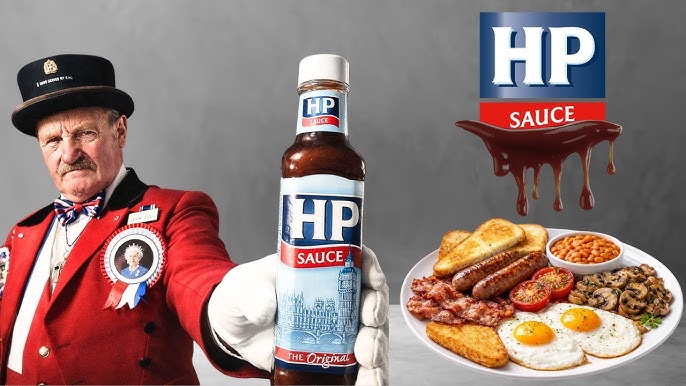
Beyond its culinary appeal, HP Sauce has a cultural significance that few condiments achieve. Featuring Big Ben on its label, it is a symbol of British heritage and history. Families have grown up enjoying its taste, and it continues to be a favourite among generations. The enduring popularity of HP Sauce proves that it is more than just a sauce—it is a beloved part of British dining culture.
History of HP Sauce
HP Sauce was first created in Nottingham in 1899 by Frederick Gibson Garton, who aimed to produce a brown sauce that could complement the hearty meals popular at the time. Its name comes from the Houses of Parliament in London, famously depicted on the label alongside Big Ben. This instantly recognisable branding helped HP Sauce become a household name across the UK, distinguishing it from other condiments of the era.
Over the decades, HP Sauce has undergone several ownership changes, including its acquisition by Kraft Heinz, which allowed the brand to expand internationally while maintaining its classic recipe. Despite these changes, the essence of HP Sauce remains the same, preserving the tangy, slightly spicy flavour that generations of Britons have loved. Its long-standing history adds authenticity and a sense of nostalgia to every bottle.
Ingredients and Flavour Profile
The unique taste of HP Sauce comes from a carefully balanced combination of ingredients. Tomatoes, malt vinegar, molasses, tamarind, and an assortment of spices give HP Sauce its distinctive tangy, savoury profile. Unlike regular ketchup, HP Sauce delivers a richer, more complex flavour that enhances a wide variety of meals. Its thick consistency ensures it clings perfectly to sandwiches, meats, and fried breakfasts.
HP Sauce is also suitable for vegetarians and vegans, making it an inclusive condiment for different diets. Its blend of acidity, sweetness, and spice allows it to complement hearty dishes without overpowering them. From traditional bangers and mash to modern burgers, HP Sauce brings depth and character to meals, proving why it remains a favourite in both British homes and restaurants.
Types and Variants of HP Sauce
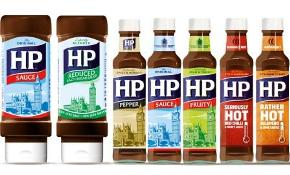
HP Sauce is available in multiple popular variants, each offering a slightly different taste while retaining the brand’s signature quality. The Original HP Sauce delivers the classic tangy flavour that made it famous. HP Fruity is a sweeter, milder option suitable for those who prefer less spice, while HP BBQ introduces a smoky, modern twist that works perfectly in marinades and grilled dishes.
Choosing the right HP Sauce variant often depends on the dish and personal taste. The Original pairs perfectly with fried breakfasts and traditional meals, while HP Fruity can enhance sandwiches or burgers. HP BBQ is ideal for adding a smoky depth to roasted or grilled dishes. Each variant maintains the high standard and authenticity expected from HP Sauce, ensuring a satisfying experience with every bottle.
How to Use HP Sauce in Cooking
HP Sauce is a versatile condiment that enhances a wide range of dishes. Traditionally, it is served with full English breakfasts, bacon sandwiches, bangers and mash, and steak pies. Its tangy, slightly sweet flavour adds richness to meals, complementing hearty British favourites while bringing a familiar and comforting taste.
Modern cooks have also discovered creative uses for HP Sauce beyond traditional pairings. It can be used as a marinade for meats, stirred into stews for extra depth, or even added to dressings and dips to elevate flavour. HP Sauce is particularly effective in recipes where a balance of tangy and savoury notes is desired, allowing home chefs to experiment while adding a touch of British culinary heritage.
Buying and Storage Tips
HP Sauce is widely available in UK supermarkets, online stores, and specialty shops. Shoppers can choose between traditional glass bottles or convenient squeezy bottles, depending on personal preference. Proper storage ensures the sauce maintains its rich taste; it should be kept in a cool, dry place before opening and refrigerated after to prolong freshness and flavour.
Reading labels for expiry dates, variant types, and storage instructions can help ensure the best experience with HP Sauce. Its long shelf life makes it a reliable pantry staple, while its iconic flavour guarantees it will enhance meals whenever used. Whether stocking up for family breakfasts or adding it to your favourite recipes, HP Sauce remains an essential British condiment.
Fun Facts and Cultural Significance
HP Sauce has transcended its role as a simple condiment to become a symbol of British culture. Its label, featuring Big Ben, is recognised across generations, making it an icon of the nation’s culinary identity. HP Sauce has been celebrated in advertising campaigns, television features, and even cultural references, reflecting its enduring appeal in the UK.
Beyond its branding, HP Sauce has inspired trivia and creative recipes over the years. Fans appreciate its unique taste, historical significance, and versatility in cooking. This combination of flavour, heritage, and cultural recognition ensures HP Sauce is more than just a sauce—it is a cherished element of British dining traditions.
Conclusion
HP Sauce continues to be a timeless favourite in UK kitchens, combining tangy, savoury, and slightly spicy flavours with over a century of history. Its versatility allows it to enhance both traditional British meals and contemporary recipes, making it a must-have in any pantry. From its iconic Big Ben label to its unique taste, HP Sauce offers a culinary experience that celebrates British heritage while remaining relevant for modern cooks.
You may also read: Cheddar Cheese in Cooking