
Gluteal tendinopathy exercises to avoid: The Complete Evidence-Based Guide for 2025
Gluteal tendinopathy is a common cause of hip pain, especially among adults, runners and older people. It affects the gluteus medius and gluteus minimus tendons, which play an important role in hip stability and movement. When these tendons become irritated, everyday activities such as walking, climbing stairs or lying on one side can become uncomfortable. This is why learning gluteal tendinopathy exercises to avoid is essential for preventing further irritation and allowing the tendon to heal safely and steadily.
Many people assume stretching or strengthening the glutes will solve the issue quickly, but the wrong movements can easily make the condition worse. Research shows that tendons react poorly to excessive compression and sudden stretching, both of which are common in many popular exercise routines. Understanding which gluteal tendinopathy exercises to avoid ensures you do not accidentally overload the tendon, helping you recover faster and continue strengthening safely over time.
gluteal tendinopathy exercises to avoid that increase pain and slow recovery
One of the most important gluteal tendinopathy exercises to avoid is deep hip stretching, especially when the knee crosses the body. Although hip stretches often feel good temporarily, they create strong compression at the tendon’s attachment point. This strain can worsen inflammation and make the pain last longer. Stretches such as the glute stretch, piriformis stretch and IT band stretch may seem harmless, but they are not suitable during the early healing stage.
Exercises performed in a side-lying position are also among the top gluteal tendinopathy exercises to avoid. Movements such as clamshells and side-lying leg lifts are widely recommended online, yet these positions compress the tendon directly into the hip bone. For people with gluteal tendinopathy, this can be extremely painful. Repetitively performing these exercises can increase symptoms and slow down improvement, making it harder to return to normal activities.
High-impact movements should also be added to the list of gluteal tendinopathy exercises to avoid—particularly running up hills, sprinting or doing plyometrics. These exercises place sudden force through the hip tendons, which can trigger flare-ups. Even long-distance running may worsen symptoms if the tendon is currently irritated. Choosing low-impact alternatives allows the tendon to calm down before reintroducing harder workouts gradually and safely.
Daily habits can also be considered hidden gluteal tendinopathy exercises to avoid. Crossing your legs while sitting, standing with the hip “dropped,” or sleeping on the painful side all create continuous compression. These small habits can quietly worsen symptoms throughout the day. Although they may not feel like exercises, they have an effect similar to performing irritating movements repeatedly.
Safe alternatives for strengthening without aggravating the tendon
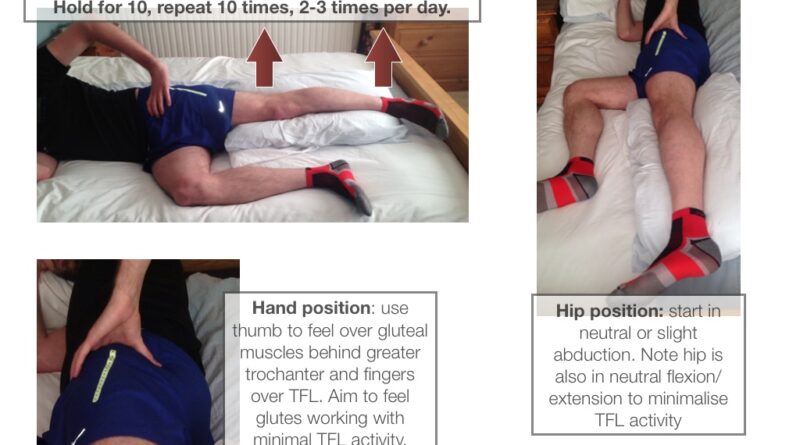
While there are many gluteal tendinopathy exercises to avoid, there are also safe, supportive exercises that help build strength without causing additional irritation. Isometric hip abduction, for example, activates the gluteal muscles without creating unnecessary compression. This exercise is ideal in the early stages, as it builds strength while allowing the tendon to stay calm. Side-stepping with a resistance band in a supported, upright position is another excellent option that maintains hip alignment.
For beginners and seniors, gentle strengthening movements are often the best starting point. Chair-supported exercises, standing hip abduction without leaning and basic glute bridges can help develop strength gradually. These exercises avoid extreme hip positions and keep the tendon comfortable while still encouraging healthy muscle activation. With consistency, they prepare the body for more challenging exercises later on.
As symptoms reduce, progression becomes essential for long-term recovery. However, even at this stage, it is still important to remember the gluteal tendinopathy exercises to avoid. With proper guidance, people can begin controlled, functional strengthening exercises that improve balance, endurance and hip alignment. Slow, steady progress is more effective than rushing into difficult movements too soon.
Rehabilitation strategy and long-term tendon protection for 2025

Recovering from gluteal tendinopathy requires a structured approach that respects the stages of healing. In the early stage, the focus should be on reducing compression and avoiding movements that make the pain worse. Once symptoms settle, controlled strengthening becomes the priority, gradually improving tendon tolerance. This process should be slow, steady and consistent, as tendons respond best to carefully increased load rather than sudden, intense activity.
People who continue to experience persistent symptoms may find professional physiotherapy especially helpful. Many NHS services and private clinics offer personalised rehabilitation programmes and downloadable guides. These resources often include detailed advice on gluteal tendinopathy exercises to avoid, safe progressions and effective long-term strategies. Seeking help from a trained specialist ensures you are following the right plan for your individual needs.
Protecting the tendon long term involves staying aware of both supportive habits and harmful ones. Maintaining good posture, avoiding prolonged compression and regularly practising safe strengthening exercises all play an important role in preventing flare-ups. By combining education with practical strategies, you can enjoy better movement, improved strength and reduced discomfort.
Conclusion
Understanding gluteal tendinopathy exercises to avoid is one of the most important steps in managing this condition effectively. Avoiding deep hip stretches, clamshells, side-lying exercises, high-impact running and poor daily habits helps prevent further irritation and encourages steady healing. Replacing these with safe, well-structured strengthening exercises allows the tendon to recover, build resilience and support long-term hip health. With the right approach, you can protect your tendons, restore stability and return to daily activities with confidence.
FAQs
What are the main gluteal tendinopathy exercises to avoid?
Deep hip stretches, clamshells, high-impact running, side-lying leg lifts and deep squats should be avoided because they increase tendon compression.
Is stretching harmful for gluteal tendinopathy?
Yes, stretching often worsens symptoms by compressing the tendon, especially when the knee crosses the body.
Are there safe alternatives to these exercises?
Yes, isometric exercises, supported bridges and upright band side-steps are effective and safer options.
How long does recovery usually take?
Recovery varies but typically ranges from several weeks to several months, depending on consistency and exercise choice.
Can I still stay active with gluteal tendinopathy?
Yes, but choosing low-impact exercises and avoiding harmful movements is essential for healing.
You may also read: Factors That Influence Technician Commitment