
Digestive Biscuits: History, Recipes, Health Benefits, and Top UK Brands
Digestive biscuits are one of the most iconic snacks in the UK, celebrated for their mild sweetness, crisp texture, and versatility. Originally developed in Scotland in the 19th century, digestive biscuits were created to aid digestion while providing a satisfying snack. Today, they are not only a teatime favourite but also a key ingredient in many dessert recipes, including cheesecakes and layered puddings. Their widespread popularity stems from both taste and tradition.
These biscuits are widely enjoyed plain, with a cup of tea, or even covered in chocolate. Digestive biscuits are often praised for their simple, wholesome ingredients, which include whole-wheat flour, oats, and a touch of sugar. Modern variations, including gluten-free digestive biscuits, have made them accessible to a broader audience, appealing to those looking for healthier snack options while maintaining the familiar flavour and crunch.
The History of Digestive Biscuits
Digestive biscuits have a rich history that dates back to 1839 when two Scottish doctors aimed to create a biscuit that aided digestion. Their combination of whole-wheat flour and baking soda was thought to improve digestive health, giving the biscuits their name. Over time, digestive biscuits evolved from a health-focused food into a popular treat enjoyed across the UK. Brands like McVities played a key role in popularising these biscuits and expanding their varieties.
By the early 20th century, digestive biscuits had become a staple for afternoon tea and snacks. Chocolate-covered versions soon followed, adding an indulgent twist to the original recipe. Today, digestive biscuits are available in numerous variations, from oat-rich recipes to sugar-free and gluten-free options. Their enduring popularity is a testament to their unique blend of taste, texture, and historical significance in British culinary culture.
Digestive Biscuits and the Digestive System
Digestive biscuits are often associated with the digestive system due to their original design, which included ingredients believed to aid digestion. The human digestive system relies on digestive enzymes and digestive juices to break down food and absorb nutrients effectively. Fibre-rich foods, such as whole-wheat digestive biscuits, can support the digestive process by helping regulate bowel movements and promoting gut health.
While digestive biscuits are not a medical treatment, they complement a balanced diet and provide a convenient source of dietary fibre. Many people enjoy them as a snack or incorporate them into meals without worrying about digestive discomfort. For those curious about digestion, a digestive system diagram can help illustrate how the body processes food, highlighting how fibre-rich snacks like digestive biscuits contribute to overall digestive health.
Health Aspects of Digestive Biscuits
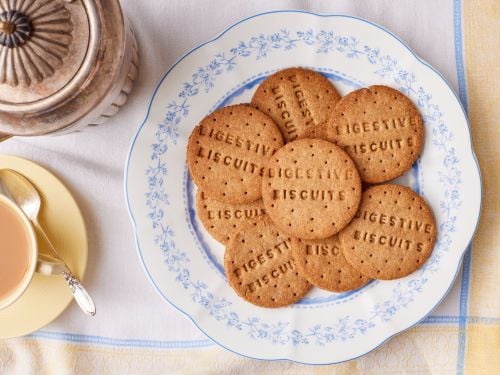
Digestive biscuits provide several health benefits, primarily due to their fibre content and whole-grain ingredients. Fibre aids digestion by keeping the bowel movements regular and maintaining gut health. Gluten-free digestive biscuits have become increasingly popular, offering a suitable option for people with gluten sensitivities or coeliac disease. Even for those without dietary restrictions, moderate consumption of digestive biscuits can fit well within a healthy diet.
Nutritionally, a standard digestive biscuit contains around 70 calories, making it a light snack option. Some people complement digestive biscuits with digestive enzyme supplements or products like Yumove digestive care to support overall gut function. Choosing high-quality brands ensures that consumers get both taste and nutritional value. Additionally, chocolate digestive variations provide a delightful treat while maintaining some of the original biscuit’s benefits.
Popular Digestive Biscuit Recipes
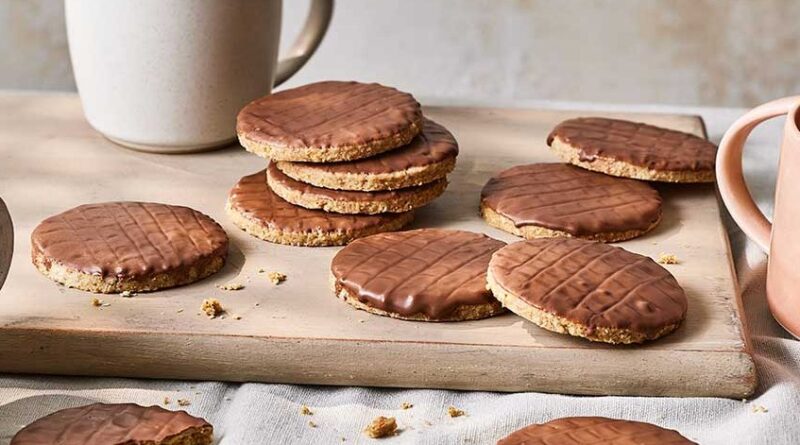
Digestive biscuits are incredibly versatile and feature in a wide range of recipes. A classic homemade digestive biscuit recipe includes whole-wheat flour, butter, and sugar, resulting in a crisp, nutty treat. Chocolate-covered digestive biscuits remain one of the most loved variations, adding a rich layer of indulgence to the traditional biscuit. These recipes are easy to prepare and perfect for both beginners and experienced bakers.
Beyond simple snacking, digestive biscuits are commonly used as a base for desserts. Crushed biscuits mixed with butter can form the foundation for cheesecakes, puddings, and layered desserts, adding crunch and flavour. Incorporating digestive biscuits into recipes allows for creative culinary exploration while keeping the traditional taste intact. Their adaptability has made them a favourite not just in households but also in professional kitchens and dessert menus across the UK.
Top UK Brands of Digestive Biscuits
McVities digestive biscuits are arguably the most recognised brand in the UK, offering both original and chocolate-coated varieties. Their long-standing reputation ensures consistent quality and taste, making them a staple in many homes. Other UK brands also provide alternatives, including gluten-free and whole-grain digestive biscuits for those seeking healthier options without compromising on flavour.
Shoppers in the UK can purchase digestive biscuits from supermarkets, online retailers, and specialty stores such as London digestive centres. Each brand offers slightly different textures, flavours, and ingredient combinations, catering to diverse tastes. Whether looking for a classic McVities digestive or experimenting with a new chocolate-covered variation, consumers can easily find biscuits that suit their preferences and dietary needs.
Digestive Biscuits and Digestive Health Tips
Consuming digestive biscuits in moderation can be a part of a balanced diet that supports digestive health. The fibre in digestive biscuits helps maintain a healthy gut, and pairing them with adequate hydration and regular meals can prevent common digestive issues. Supplements like digestive enzyme products or Vetpro digestive function aids may further support those with sensitive digestive systems.
Understanding what causes digestive issues, including poor diet, stress, or lack of fibre, is important for maintaining a healthy digestive system. Digestive biscuits, combined with healthy eating habits, provide a simple and enjoyable way to contribute to digestive wellness. Incorporating them thoughtfully into daily routines ensures they remain both a delicious snack and a functional food for overall gut health.
Conclusion
Digestive biscuits are more than just a popular snack—they are a blend of history, taste, and subtle health benefits. From their Scottish origins to iconic UK brands like McVities, digestive biscuits continue to delight with their versatility and mild sweetness. Whether eaten plain, chocolate-coated, or used in creative recipes, digestive biscuits remain a classic choice for anyone seeking a satisfying and gut-friendly treat. Their enduring popularity is a testament to their unique flavour and practicality in everyday life.
You may also read: How to Cook Birds Eye Fish Fingers Perfectly