Stilton Cheese: The Ultimate Guide to Britain’s Iconic Blue Cheese
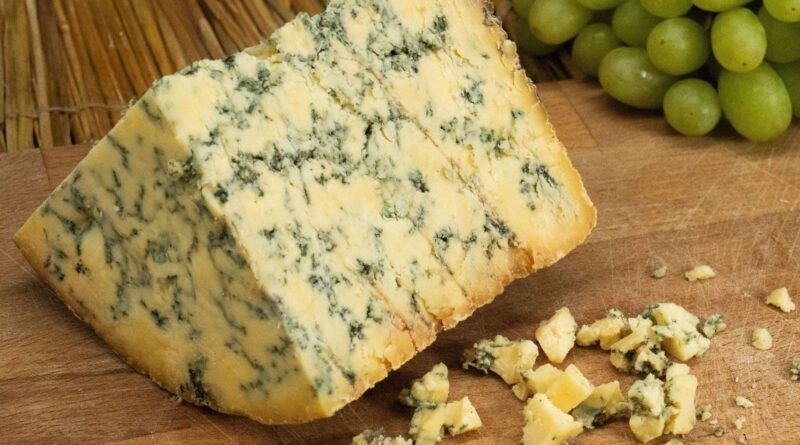
Stilton cheese is one of the most celebrated cheeses in the United Kingdom, renowned for its rich flavour, creamy texture, and distinctive blue veins. Often called the “King of English Blue Cheese,” it has been a staple in British cuisine for centuries. Its unique tangy taste and crumbly yet creamy consistency make it perfect for both simple cheese boards and elaborate recipes. Stilton cheese remains a symbol of heritage, quality, and authentic craftsmanship, appreciated by chefs and home cooks alike.
The appeal of Stilton cheese extends beyond its taste. With a Protected Designation of Origin (PDO) status, it can only be produced in Leicestershire, Derbyshire, and Nottinghamshire, ensuring that every wheel carries centuries of tradition. Whether enjoyed with a glass of port, melted into a sauce, or used in classic recipes like broccoli and Stilton soup, this iconic cheese combines heritage and flavour in every bite, making it a must-have for cheese enthusiasts across the UK.
History and Origin of Stilton Cheese
Stilton cheese has a fascinating history rooted in the English Midlands. Despite its name, it was never made in the village of Stilton itself but was sold in local coaching inns during the 18th century. Its unique appearance and bold flavour quickly made it famous across Britain. Early travellers and merchants contributed to its popularity, helping Stilton cheese become one of the most recognised British cheeses in the world today.
The traditional method of producing Stilton cheese has remained remarkably consistent over the centuries. Only full-fat cow’s milk sourced from the designated counties is used, and natural Penicillium roqueforti creates the signature blue veins. This meticulous process ensures a consistent flavour and texture that distinguish Stilton cheese from other blue cheeses. The rich heritage, combined with precise techniques, is what has cemented Stilton cheese as a symbol of British culinary excellence.
Types of Stilton Cheese
Stilton cheese comes in two main varieties: blue Stilton and white Stilton. Blue Stilton is the most renowned, featuring prominent blue veins and a robust, tangy flavour. It has a crumbly yet creamy texture, making it ideal for both eating on its own and incorporating into dishes like broccoli and Stilton soup or steak and Stilton pie. Blue Stilton’s bold flavour pairs exceptionally well with fruits, nuts, and wines, making it a versatile choice for many culinary uses.
White Stilton, on the other hand, has a milder flavour and lacks the distinctive blue veins. Its gentle creaminess makes it suitable for sweeter dishes or dessert recipes, often combined with fruits or preserves. Both varieties retain the characteristic richness and crumbly texture of authentic Stilton cheese, allowing cooks and chefs to experiment while staying true to traditional methods. Understanding the differences ensures the best use of Stilton cheese in the kitchen.
Taste and Texture of Stilton Cheese
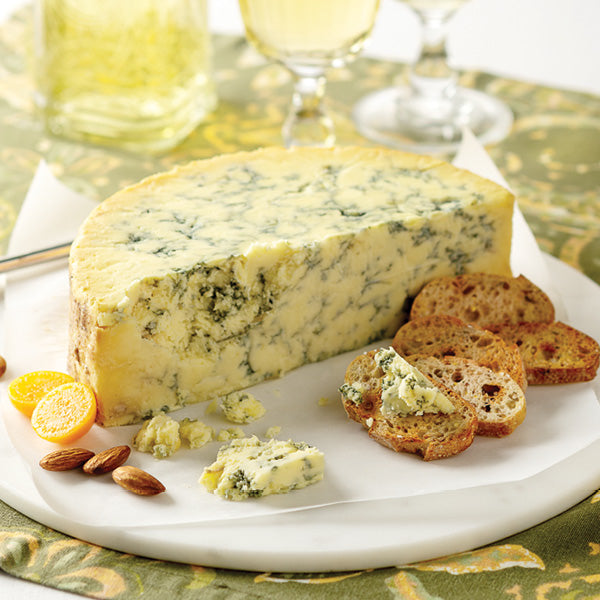
The flavour of Stilton cheese is one of its most celebrated qualities. Blue Stilton offers a complex taste that balances sharp tanginess with creamy richness, creating a mouthwatering experience in every bite. The cheese’s crumbly yet moist texture allows it to be easily spread on crackers or blended into sauces, soups, and pies. When paired with port, pears, or walnuts, Stilton cheese transforms from a simple snack into a gourmet indulgence, showcasing its versatility and depth.
White Stilton, while milder, offers subtle creamy notes that complement other ingredients without overpowering them. Its texture is slightly firmer than blue Stilton, making it perfect for desserts, cheesecakes, or fruit preserves. Whether served on its own or incorporated into recipes such as broccoli and Stilton soup, the taste and texture of Stilton cheese make it a standout ingredient in British cuisine. Its unique mouthfeel and flavour profile are part of what makes it iconic.
Cooking with Stilton Cheese
Stilton cheese is highly versatile in cooking, bringing richness and depth to a wide variety of dishes. One of the most popular recipes is broccoli and Stilton soup, which combines tender vegetables with the sharpness of blue Stilton to create a comforting and flavourful dish. Chefs like Jamie Oliver and James Martin have popularised this classic, inspiring home cooks to experiment with their own versions. Broccoli and Stilton soup highlights the cheese’s ability to elevate simple ingredients into gourmet creations.
Beyond soups, Stilton cheese is ideal for pies, sauces, and baked dishes. Steak and Stilton pie is a classic British favourite, while Stilton sauce can enhance roasted meats or vegetables. Cauliflower and Stilton soup is another beloved variation that demonstrates the cheese’s compatibility with vegetables. For home cooks, Stilton cheese can even be frozen carefully, allowing flexibility in using it across multiple recipes without compromising its taste or texture.
Popular Producers of Stilton Cheese
Authentic Stilton cheese is produced by a select group of producers dedicated to maintaining traditional methods. Colston Bassett Stilton is known for its full-bodied flavour and consistent quality, while The Bell Stilton has built a reputation for craftsmanship and excellence. Stilton butchers and artisanal producers continue to create smaller batches, offering unique takes on this iconic cheese while remaining true to its heritage.
These producers ensure that every wheel of Stilton cheese meets strict PDO standards, preserving both its flavour and authenticity. Choosing a reputable brand guarantees that you enjoy genuine Stilton cheese, whether for a cheese board, soup, or a sophisticated sauce. The commitment to traditional methods, quality ingredients, and skilled craftsmanship is what continues to set Stilton cheese apart from other blue cheeses in the UK market.
Buying and Storing Stilton Cheese
When purchasing Stilton cheese, look for creamy consistency and vibrant blue veins, which indicate authenticity and quality. It is important to store Stilton cheese correctly to maintain its flavour and freshness. Wrap it in wax paper or foil and keep it in the fridge at a stable, cool temperature. While freezing is possible, fresh Stilton cheese is always recommended for recipes like broccoli and Stilton soup or pies.
Proper storage not only preserves flavour but also ensures that the texture remains ideal for cooking and serving. Allow Stilton cheese to come to room temperature before eating to enjoy its full aroma and richness. These simple steps help make every serving a memorable experience, highlighting why Stilton cheese is considered one of Britain’s finest culinary treasures.
Health Benefits and Nutritional Facts of Stilton Cheese
Stilton cheese is rich in protein, calcium, and essential nutrients, making it both delicious and nutritionally valuable. Its bold flavour allows smaller amounts to enhance recipes, providing richness without needing excessive portions. Stilton cheese can be enjoyed in moderation as part of a balanced diet, offering the benefits of dairy while elevating meals with its distinctive taste.
While Stilton cheese contains fat and salt, mindful consumption ensures that it complements a healthy lifestyle. Pairing it with vegetables like broccoli or cauliflower, as in soups and casseroles, enhances the nutritional profile of meals. Its creamy texture, rich taste, and nutritional value make Stilton cheese an ingredient that satisfies both the palate and the body.
Conclusion
Stilton cheese remains one of Britain’s most iconic and beloved cheeses, combining rich heritage with exceptional flavour and versatility. From its historic origins in the Midlands to its role in classic dishes like broccoli and Stilton soup, it continues to delight chefs and home cooks alike. Whether enjoyed on its own, paired with wine, or incorporated into gourmet recipes, Stilton cheese offers a taste of British tradition in every bite.
Exploring Stilton cheese allows both beginners and seasoned cooks to appreciate the skill, history, and care involved in creating this unique cheese. Its creamy texture, tangy flavour, and iconic blue veins make it a standout ingredient that elevates everyday meals and festive celebrations alike. Incorporating Stilton cheese into your culinary repertoire is a true journey into Britain’s gastronomic heritage.
FAQs About Stilton Cheese
What makes Stilton cheese special?
Stilton cheese is known for its creamy, crumbly texture and bold blue veins, produced only in designated UK counties, offering a unique and tangy flavour.
Can Stilton cheese be frozen?
Yes, Stilton cheese can be frozen carefully, but fresh cheese delivers the best taste and texture for recipes like soups, pies, and sauces.
How long does Stilton cheese last in the fridge?
Properly stored, Stilton cheese can last 3–4 weeks. Wrap it in wax paper or foil and keep it in a cool, stable fridge.
What is the difference between blue and white Stilton cheese?
Blue Stilton has blue veins and a stronger flavour, while white Stilton is milder and often used in desserts or with fruits.
Which counties produce authentic Stilton cheese?
Stilton cheese is exclusively made in Leicestershire, Derbyshire, and Nottinghamshire under PDO rules.
How do you serve Stilton cheese at its best?
Serve Stilton cheese at room temperature, paired with crackers, fruits, or port wine to fully enjoy its creamy texture and bold flavour.
What are popular Stilton cheese recipes?
Popular dishes include broccoli and Stilton soup, cauliflower and Stilton soup, steak and Stilton pie, and Stilton sauces for meat or vegetables.
You may also read: Nutritional Benefits and Health Considerations