Private Hire vs Hackney Carriage UK: Key Differences, Licensing & Legal Rules
Understanding the taxi and private hire system in the UK can be complicated, especially for passengers and new drivers. The discussion around private hire vs hackney carriage UK often raises questions about legal permissions, operational rules, and licensing requirements. While both services provide essential transport, their differences can significantly impact passengers’ experience and drivers’ responsibilities. Knowing the distinctions ensures safe, legal travel and helps drivers choose the right licence type for their career.
Many first-time passengers do not realise that hackney carriages, often known as black cabs, and private hire vehicles operate under entirely separate rules. Private hire vehicles must be booked in advance, whereas hackney carriages can be hailed on the street or found at designated ranks. Understanding private hire vs hackney carriage UK is vital for anyone navigating taxis, minicabs, or modern app-based services like Uber.
What Is a Hackney Carriage?
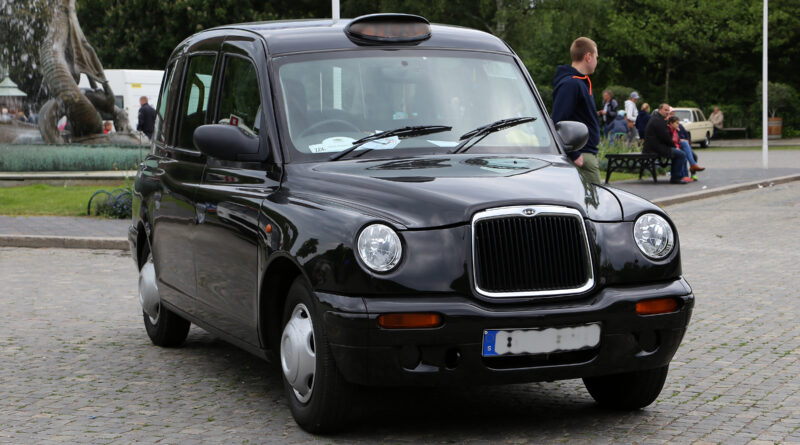
A hackney carriage is a licensed taxi that has a long-standing legal right to pick up passengers without pre-booking. These vehicles are commonly referred to as black cabs in cities such as London, although hackney carriage taxis operate in towns and cities across the UK. Hackney carriages are regulated by local councils and must comply with strict rules covering vehicle type, safety standards, and driver qualifications, ensuring passenger protection and service consistency.
The history of hackney carriages dates back to horse-drawn carriages hired for public transport. Over time, legislation preserved the term “hackney carriage” for modern taxis, giving them unique privileges compared to private hire vehicles. Today, hackney carriage drivers must pass knowledge tests and background checks, and vehicles often need to be wheelchair accessible. This combination of tradition and regulation makes hackney carriages a trusted and iconic part of UK transport.
What Is a Private Hire Vehicle?
Private hire vehicles, often called minicabs, operate under stricter limitations compared to hackney carriages. Unlike taxis, private hire vehicles cannot pick up passengers on the street or wait at taxi ranks. All journeys must be pre-booked through a licensed operator, whether via phone, app, or website. This legal requirement is central to the distinction between private hire vs hackney carriage UK, ensuring that each type of service follows the correct regulations.
Modern ride-hailing apps, including Uber and Bolt, operate as private hire services. These platforms allow passengers to book in advance, and fares are usually agreed upon before the journey begins. While private hire vehicles provide convenience and often lower costs, they do not enjoy the same legal privileges as hackney carriages. Drivers must understand their limitations to operate safely and legally in their licensed area.
Private Hire vs Hackney Carriage UK: Key Operational Differences

One of the most notable distinctions in private hire vs hackney carriage UK is how passengers access each service. Hackney carriages can be hailed from the street or found at designated taxi ranks, giving them unmatched flexibility for immediate transport. In contrast, private hire vehicles must always be booked through a licensed operator, which restricts spontaneous trips but allows operators to manage schedules and routes efficiently.
Fare regulations also vary between the two. Hackney carriage taxis often have their fares set or approved by local councils and charge passengers using a meter, ensuring standardised pricing. Private hire vehicles, however, set fares in advance through the booking process, offering transparency but removing regulated fare protection. Passengers and drivers must understand these operational rules to avoid fines or misunderstandings.
Licensing Requirements for Private Hire vs Hackney Carriage UK
Licensing is a critical area where private hire vs hackney carriage UK differs. Hackney carriage drivers must obtain a licence from their local council, which includes enhanced DBS checks, medical examinations, and knowledge tests. The process ensures that drivers meet high safety and competency standards, especially in larger cities such as London and Manchester. Councils also regulate vehicle standards, including accessibility and age restrictions.
Private hire drivers require a separate licence, and they must operate through a licensed private hire operator. While background checks remain essential, knowledge tests are typically less rigorous than those for hackney carriages. Local councils, including Bradford and Manchester, administer these licences differently. Understanding the licensing differences helps drivers comply with the law and ensures passengers receive a safe and legal service.
Insurance Rules for Private Hire vs Hackney Carriage UK
Insurance is another key factor distinguishing private hire vs hackney carriage UK. Hackney carriage insurance covers vehicles authorised to pick up passengers without pre-booking. Due to the higher exposure and risk of street work, this insurance is often more expensive than private hire coverage. Specialised policies exist for black cabs and wheelchair-accessible vehicles, ensuring comprehensive protection for drivers and passengers.
Private hire insurance only covers pre-booked trips made through a licensed operator. Using a vehicle for unlicensed work invalidates the policy, leaving drivers exposed to financial and legal consequences. Both types of insurance are essential for compliance and passenger safety, but understanding which policy is required is critical for anyone considering a career in taxi driving.
Vehicles, Buying and Selling
Hackney carriage vehicles must meet strict council standards, including model approval, wheelchair access, and regular safety inspections. Anyone buying a hackney carriage for sale should check that the vehicle is compliant with their local authority’s requirements. This ensures legal operation and protects drivers from costly fines or licence suspensions.
Private hire vehicles are generally more flexible in terms of model, age, and design, although councils still impose basic safety and operational standards. This flexibility makes private hire attractive for new drivers but limits the recognition and visibility that hackney carriage taxis enjoy. Vehicle choice, combined with knowledge of regulations, is essential in deciding which licence type is right.
Uber and Hackney Carriages
Many people ask whether hackney carriages can work for Uber. In most cases, they cannot. Uber operates exclusively as a private hire operator, meaning hackney carriages cannot accept Uber bookings unless registered as private hire vehicles. This legal distinction highlights the operational differences in private hire vs hackney carriage UK.
Hackney carriage drivers benefit from immediate street hire and taxi rank access, while private hire drivers rely on operator dispatch systems or app-based bookings. Passengers may notice differences in availability, fare calculation, and vehicle types, but both services play a vital role in the UK transport system.
Regional Variations Across the UK
Rules governing private hire vs hackney carriage UK vary significantly between regions. London hackney carriage drivers operate under Transport for London (TfL) regulations, which include strict knowledge tests and vehicle standards. Other councils, such as Manchester, Bradford, and smaller towns, maintain their own licensing processes, fees, and operational conditions.
Understanding regional variations is crucial for drivers who operate across council boundaries. Hackney carriages are often restricted to the council that issued their licence, whereas private hire vehicles may operate more flexibly under operator rules. This ensures legal compliance while maintaining passenger safety and service standards across the country.
Legal Framework Behind Private Hire vs Hackney Carriage UK
The legal framework forms the foundation for private hire vs hackney carriage UK. Hackney carriages are primarily governed by the Town Police Clauses Act 1847, granting them unique privileges for street work. Private hire vehicles fall under the Local Government (Miscellaneous Provisions) Act 1976, which introduced strict pre-booking requirements.
These laws explain why hackney carriage taxis enjoy street hailing rights while private hire vehicles must be booked in advance. Understanding the legislation helps drivers and passengers navigate services safely and avoid violations, ensuring that the historic and modern systems coexist effectively in UK transport.
Conclusion
The differences between private hire vs hackney carriage UK are clear when considering access, licensing, insurance, and legal rules. Hackney carriages provide immediate, regulated transport with historical significance, while private hire vehicles offer pre-booked convenience and app-based flexibility. Both services are integral to the UK transport network, and understanding their distinctions ensures passengers enjoy safe, reliable journeys and drivers operate within the law.
Frequently Asked Questions
What is a hackney carriage in the UK
A hackney carriage is a licensed taxi that can be hailed on the street or found at designated taxi ranks without pre-booking.
Can a hackney carriage work anywhere
Hackney carriage licences are usually limited to the issuing council’s area, though some cross-border permissions may exist.
Can a hackney carriage work for Uber
In most cases, hackney carriages cannot operate on Uber, as Uber requires private hire licences.
Why is it called a hackney carriage
The name originates from historical horse-drawn carriages for hire, retained in UK legislation for modern taxis.
What is the hackney carriage crossword clue answer
Common answers include taxi or cab, depending on the clue length.
You may also read: UK taxi politics and regulations and passenger safety