Basketball Positions: Complete Guide to Roles, Skills & Tips for Every Player
Understanding basketball positions is crucial for anyone looking to excel on the court. Each basketball position serves a specific role, helping the team operate efficiently on offence and defence. From orchestrating plays to scoring points or protecting the basket, knowing basketball positions allows players to develop skills tailored to their responsibilities. Proper knowledge also improves decision-making, teamwork, and overall game strategy.
Modern basketball often blends traditional roles with versatility, making it essential for players to learn both the classic and flexible aspects of basketball positions. While positionless basketball emphasises adaptability, the fundamentals of each role—point guard, shooting guard, small forward, power forward, and center—remain the backbone of effective team play. Understanding these basics sets the foundation for advanced skill development.
Overview of Basketball Positions
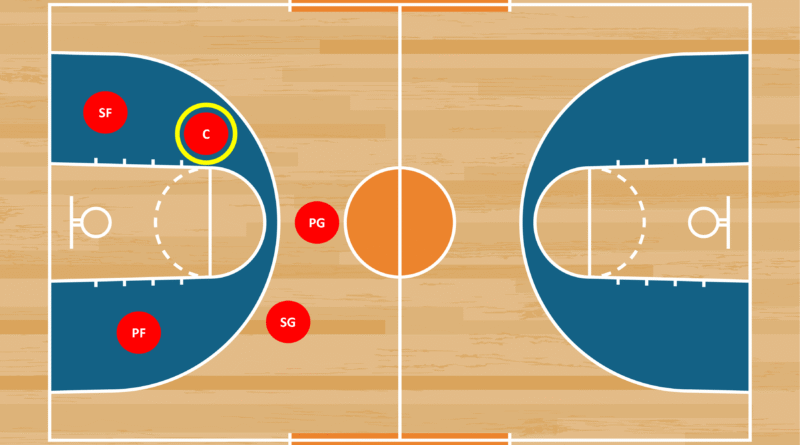
Basketball positions are divided into five primary roles, each with unique responsibilities. The point guard is typically the playmaker, controlling the tempo and distributing the ball. The shooting guard is often the team’s main scorer, capable of long-range shots and driving to the basket. Small forwards offer versatility, contributing in scoring, defence, and rebounding, while power forwards use strength to dominate near the basket. The centre, usually the tallest player, protects the paint, rebounds, and blocks shots.
Mastering basketball positions improves both individual and team performance. Knowing where to be on the court and understanding role expectations ensures smoother gameplay. Even in casual matches or British Basketball League competitions, awareness of basketball positions enhances communication and reduces errors. Teams that implement strong positional play often outperform more physically gifted opponents lacking strategic cohesion.
Skills Required for Each Basketball Position
Each basketball position demands specialised skills. Point guards must have exceptional dribbling, passing, and court vision, often acting as the team’s leader. Shooting guards rely on accurate shooting, agility, and defensive awareness to break through opponents. Small forwards require versatility, combining scoring, defensive coverage, and rebounding ability. Power forwards focus on strength, mid-range shots, and effective post moves. Centres need height, shot-blocking, and rebounding prowess.
Training for basketball positions requires consistent practice and discipline. Players should use drills tailored to their role, such as shooting exercises for guards or rebounding drills for forwards and centres. Proper equipment, including basketball shoes and jerseys, enhances performance and safety. Observing professional basketball stars can also help players refine their skills and understand the nuances of each position.
Choosing the Right Basketball Positions
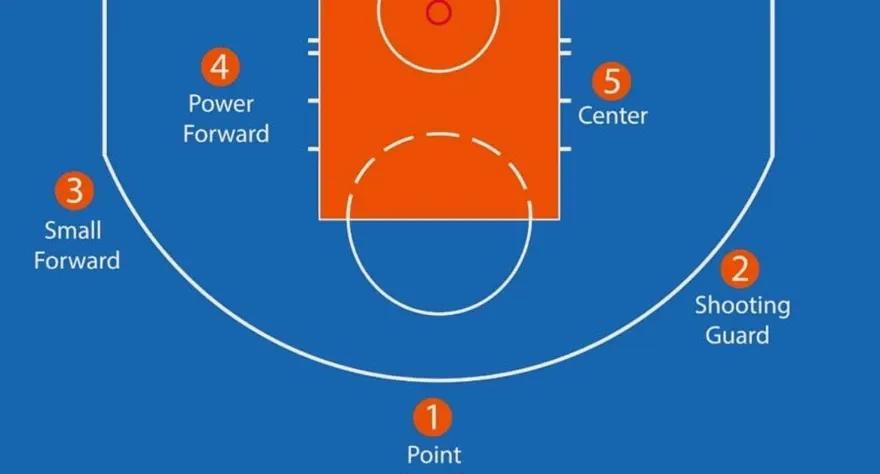
Selecting the right basketball positions depends on a player’s physical attributes, skills, and playing style. Shorter, agile players often excel as point guards, using speed and vision to control the game. Taller, stronger players are better suited to power forward or centre roles, where strength and presence near the basket are key. Versatile athletes often thrive as small forwards or shooting guards, blending scoring ability with defensive duties.
In modern basketball, hybrid positions are increasingly common, allowing players to adapt based on team strategy. Understanding your strengths and weaknesses helps in choosing the most suitable basketball positions. Studying top basketball players, whether in the NBA or British Basketball League, provides inspiration for developing skills that allow switching positions effectively during gameplay.
Basketball Equipment and Court Essentials
Proper equipment is essential for maximising performance in basketball positions. Basketball shoes provide ankle support and traction for quick movement, while jerseys and shorts ensure comfort during intense games. A reliable basketball hoop and net contribute to effective practice sessions. Practising on various basketball courts, whether indoor or outdoor, helps players adapt to different playing conditions and improve consistency.
Finding local facilities is crucial for regular practice. Searching “basketball courts near me” helps locate venues suitable for skill development. Using high-quality equipment for basketball positions reduces injury risk and supports proper technique. Players practising with the right gear develop muscle memory, agility, and confidence, all of which are vital for excelling in their chosen positions.
Basketball Games, Training, and Drills by Position
Training according to basketball positions enhances performance in actual games. Point guards benefit from dribbling and passing drills, while shooting guards focus on shooting accuracy and agility. Small forwards practise a combination of scoring, rebounding, and defensive exercises. Power forwards and centres engage in strength, post moves, and shot-blocking drills. Regular gameplay helps reinforce these skills under pressure.
Digital tools such as basketball zero codes or specialised apps provide structured challenges and gamified training for players. Incorporating friendly matches, league games, or streetball sessions ensures practical experience. Practising consistently in real-game scenarios allows players to refine their understanding of basketball positions, improve teamwork, and enhance overall strategy, making them more effective during competitive play.
Conclusion
Mastering basketball positions is essential for players of all levels. Understanding roles, developing position-specific skills, and practising with the correct equipment ensures improvement and success on the court. Whether participating in the British Basketball League, local courts, or casual games, basketball positions provide structure, strategy, and a roadmap for personal growth in the sport.
Recognising the responsibilities of each position allows players to contribute meaningfully to team success. Combining knowledge of traditional roles with modern versatility creates well-rounded athletes capable of adapting to any game situation. Consistent practice, observation of top basketball players, and dedication to skill development ensure mastery of basketball positions over time.
FAQs
What are the main basketball positions?
The main basketball positions are point guard, shooting guard, small forward, power forward, and centre. Each position has unique roles and responsibilities essential for team success.
Which basketball position is best for beginners?
Beginners often start as point guards or small forwards due to their versatility and opportunity to develop a wide range of skills.
Can a player switch positions during a game?
Yes, players can change positions based on strategy, matchups, or team needs, especially in modern positionless basketball.
How do basketball zero codes or apps help training?
Basketball zero codes provide drills, gamified challenges, and interactive training sessions that improve skills tailored to specific basketball positions.
Where can I find basketball courts near me in the UK?
Local parks, gyms, and community centres often offer basketball courts suitable for practice and competitive games.
What equipment is essential for basketball positions?
Key equipment includes basketball shoes, jerseys, shorts, a hoop, and a net to ensure performance and safety during practice and games.
Who are some of the best basketball players of all time for each position?
Legends like Magic Johnson, Michael Jordan, LeBron James, Tim Duncan, and Shaquille O’Neal excelled in their respective basketball positions, inspiring future generations.
You may also read: Other Arsenal Transfer News Reported by Fabrizio Romano